
Consolidate vendors. Eliminate handoffs. Gain capacity assurance.
One FDA-registered partner for assembly, packaging, validation, and sterilization — across three facilities with one quality system.
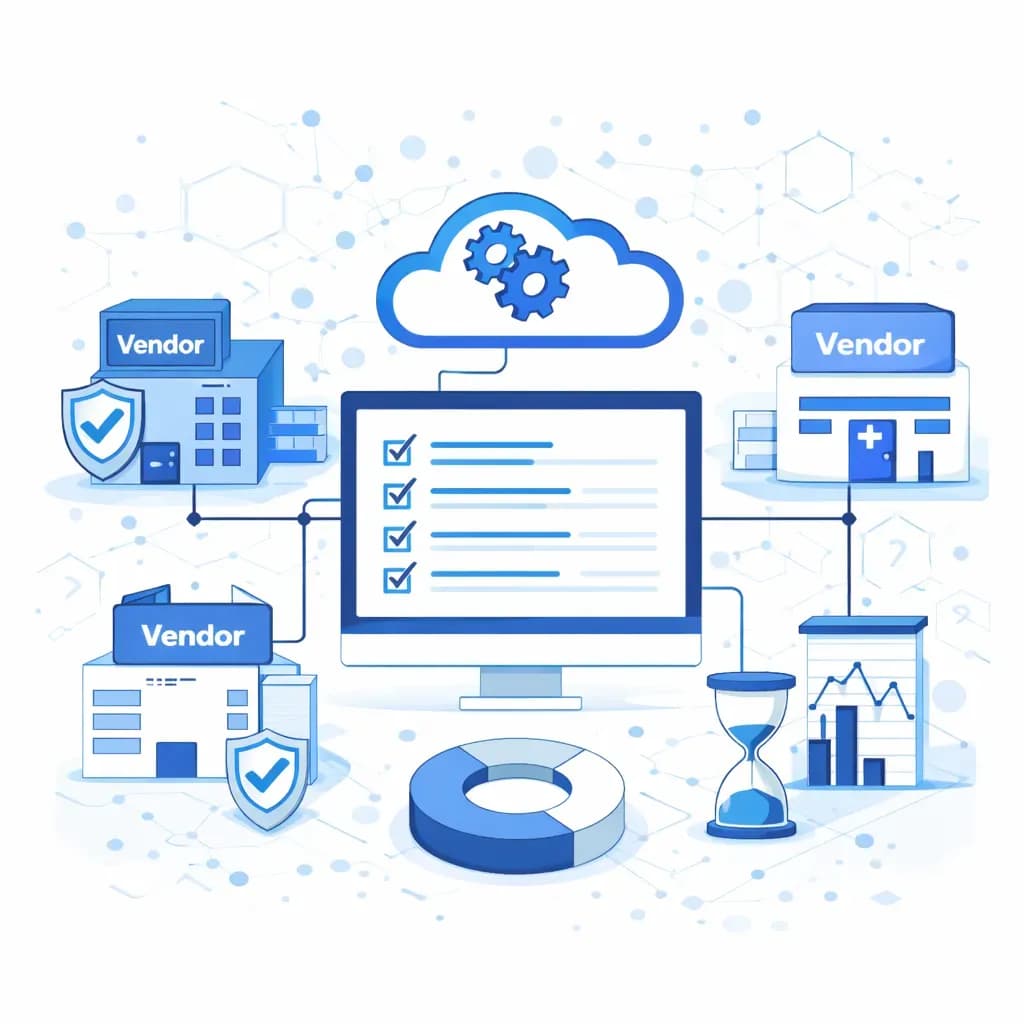
Managing four or five vendors for assembly, packaging, validation, and sterilization creates compounding risk: quality escapes at handoffs, audit burden on your QA team, and timelines that slip every time a vendor drops the ball. You need predictability — not more vendor meetings.
The Multi-Vendor Problem
Supplier quality escapes
Every vendor handoff is a failure point. When assembly, packaging, and sterilization happen at different facilities with different quality systems, nonconformances multiply.
Audit burden
Four vendors means four supplier audits, four quality agreements, four corrective action processes. Your QA team is stretched thin managing the patchwork.
Capacity constraints
Volume spikes expose single-site risk. When your primary assembly vendor can't scale, you scramble — and your customers feel it.
Missed delivery windows
Coordinating handoffs between assembly, packaging, and sterilization vendors adds weeks. Each delay compounds downstream — and your customer commitments slip.
What Consolidation Does to Your Timeline
Multi-vendor coordination adds weeks at every handoff. With LSO, your device moves through a continuous process — no shipping between vendors, no waiting for incoming inspection, no redundant quality releases.
The Consolidation Advantage
One Quality System
Assembly, packaging, validation, and sterilization under one ISO 13485 certified quality system. One audit, one quality agreement, one CAPA process.
Multi-Site Capacity
California, New Hampshire, and Costa Rica. If demand spikes or a facility has an issue, your supply doesn't stop. Qualified processes transfer across sites.
12 Cleanrooms (Class 5–8)
125,000+ sq ft of FDA-registered manufacturing space with cleanrooms matched to your device classification. Including Class 7 dry room for bioabsorbables.
Predictable Timelines
No inter-vendor coordination delays. Assembly flows directly to packaging, validation, and sterilization — under one roof, one schedule.
Reduced Audit Burden
Replace four supplier audits with one. Your QA team spends time on product quality, not vendor management.
Full Traceability
Device history records, assembly records, and validation documentation in one system. Complete chain of custody from component receipt to sterilized finished goods.
Infrastructure You Can Verify
25+
Years FDA-registered
125K+
Sq ft regulated manufacturing
3
Facilities (CA, NH, Costa Rica)
12
Cleanrooms, Class 5–8
We consolidated assembly, packaging validation, and EO sterilization under LSO — went from four vendors to one and cut 14 weeks from our launch timeline.
Orthopedic OEM, Class II Sterile Device
Solutions for OEMs
Explore the specific capabilities you can consolidate under one partner.
Assess your consolidation opportunity
Tell us about your consolidation goals. A manufacturing sales engineer will assess your requirements and reach out within one business day.
What Happens Next
Who
A manufacturing sales engineer with consolidation and multi-site expertise
When
Within one business day of your submission
About
Current vendor structure, volume forecasts, quality requirements, and consolidation goals
Frequently Asked Questions
Every handoff between vendors is a failure point — contamination risk, documentation gaps, miscommunication on specs. When your device stays in one controlled environment from assembly through sterilization, those failure points disappear. One quality system means one set of procedures, one CAPA process, and one team accountable for the entire chain of custody. Our OEM customers consistently report fewer nonconformances after consolidation.
We support multiple device lines across the same facilities under one quality system with device-specific procedures. Many OEMs start by consolidating one product line to validate the relationship, then expand to additional products over 6–12 months. Your quality agreement covers all products manufactured at LSO, so adding a new device line doesn't require a new supplier qualification — just a process-specific validation.
We use a phased approach: assessment of your current vendor structure and requirements, process transfer and validation at LSO, parallel production (running at both LSO and your current vendor simultaneously), then full cutover once quality and timeline targets are confirmed. There's no hard cutover on day one — the overlap period ensures supply continuity throughout the transition. Most single product line transitions take 3–4 months.
All three facilities operate under one ISO 13485 certified quality management system. Procedures, training programs, equipment qualification, and quality standards are identical across California, New Hampshire, and Costa Rica. Processes are validated to transfer between sites without requalification, which is what enables multi-site capacity scaling. One audit covers the entire system.
It depends on scope. A single product line consolidation typically takes 3–4 months from initial assessment to validated production at LSO. Full portfolio consolidation across multiple product lines is usually 6–12 months, phased to minimize disruption. The initial assessment takes 1–2 weeks and gives you a detailed timeline, cost comparison, and transition plan before you commit to anything.
One audit covers the quality system since all facilities operate under one QMS. Auditing any one site gives you confidence in the procedures and controls at all three — they're identical. Most OEM customers conduct a thorough initial audit of the primary receiving facility for their product line, with a lighter documentary review of the other sites. Annual surveillance audits follow the same pattern.
Consolidation eliminates coordination overhead between multiple vendors, duplicate quality management costs, multi-vendor logistics, and the hidden cost of managing quality escapes at handoffs. Direct manufacturing costs depend on your specific volume, device complexity, and cleanroom requirements. We provide transparent line-item quoting so you can compare total cost of ownership against your current multi-vendor structure — not just unit price, but the full picture including quality management, logistics, and audit costs.
FDA-Registered
Manufacturing Facility
ISO 13485
Certified Quality System
12 Cleanrooms
Class 5–8
125,000+ Sq Ft
Regulated Manufacturing
3 Facilities
CA | NH | Costa Rica