
Bacterial Endotoxin Testing
Discover why the bacterial endotoxin test is essential for maintaining safety standards in the medical device industry.
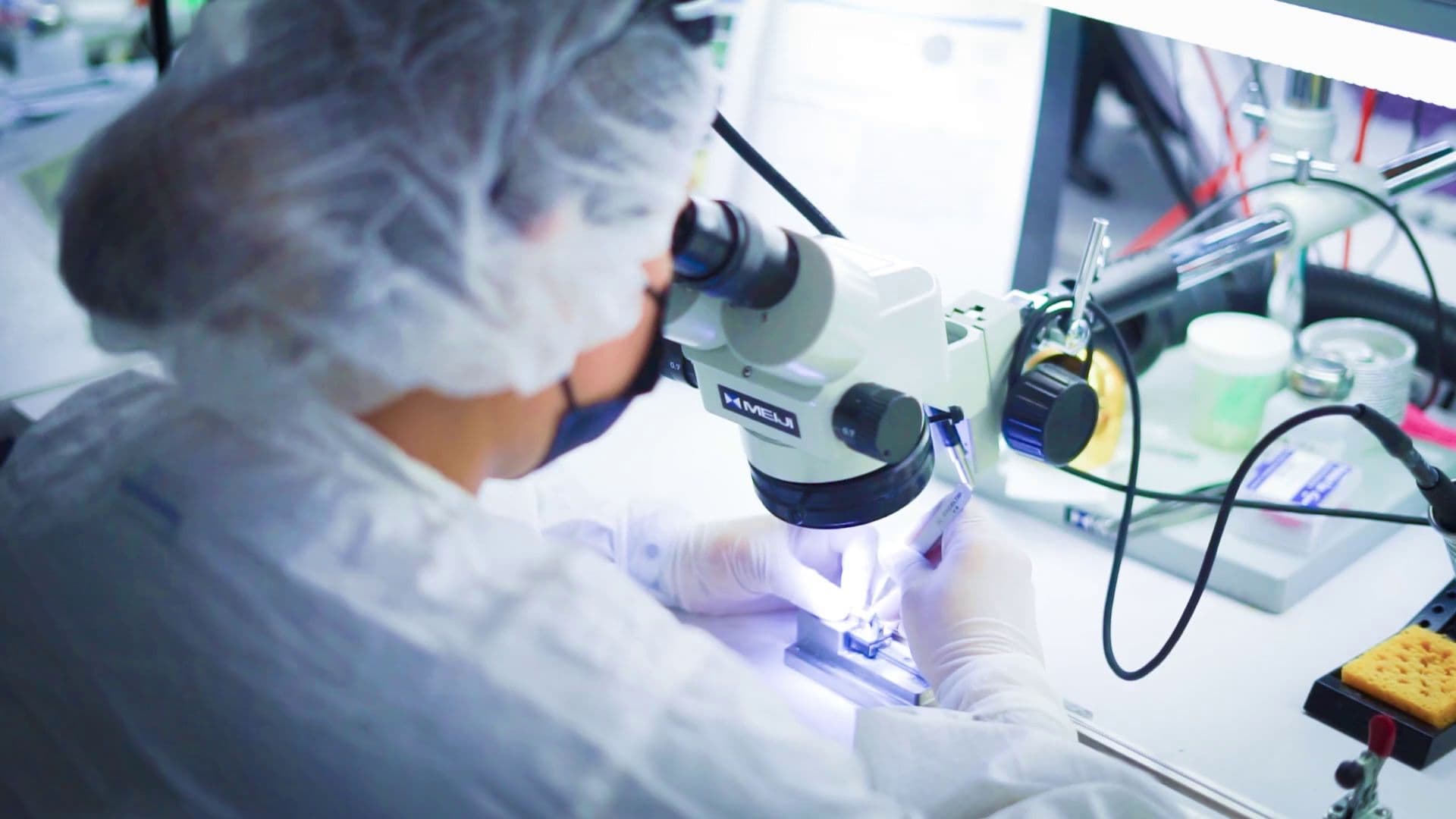
- Sample preparation
- Reagent addition
- Incubation
- Detection
BET may be performed with LAL reagent in one of these three methods:
Gel clot method
The gel clot method is a qualitative test. Formation of a gel clot indicates the presence of endotoxins.
Turbidimetric method
This quantitative testing method measures turbidity increases caused by a reaction between endotoxins and LAL reagent.
Chromogenic method
The chromogenic method is also a quantitative test. Reactions between endotoxins and a chromogenic substrate in the LAL reagent cause a color change, indicating the presence of endotoxins.
What is a bacterial endotoxin test?
A bacterial endotoxin test (BET) is a quality control assay used to detect and quantify endotoxins, which are toxins released from the outer membrane of gram-negative bacteria. Endotoxins on medical devices can be dangerous and may cause severe inflammatory responses and fever once they contact human tissue or are introduced to the bloodstream. BET is used to ensure the safety of device end users and the testing may be required to meet regulatory standards.
Who needs a bacterial endotoxin test?
The bacterial endotoxin test is required for devices labeled as non-pyrogenic, as well as many pharmaceutical products. The United States FDA and the European Medicines Agency (EMA) require BET for certain medical devices, including: implants, devices that contact blood, and devices that contact cerebrospinal fluid.
How does the bacterial endotoxin test work?
The procedure for bacterial endotoxin testing includes four steps:
What standards apply?
Regulatory standards such as USP <161>, AAMI ST72, and ISO 11737-3 specify acceptable endotoxin limits for different types of medical devices. These limits may be defined as endotoxin units (EU) per device, EU per gram, or EU per milliliter.
Validation Testing Services
FDA-Registered
Manufacturing Facility
ISO 13485
Certified Quality System
12 Cleanrooms
Class 5–8
125,000+ Sq Ft
Regulated Manufacturing
3 Facilities
CA | NH | Costa Rica
Ready to get started?
Talk to a specialist about bacterial endotoxin testing.