
Cytotoxicity Testing for Medical Devices
Understand the importance of cytotoxicity testing in ensuring the safety of medical devices in contact with the human body.
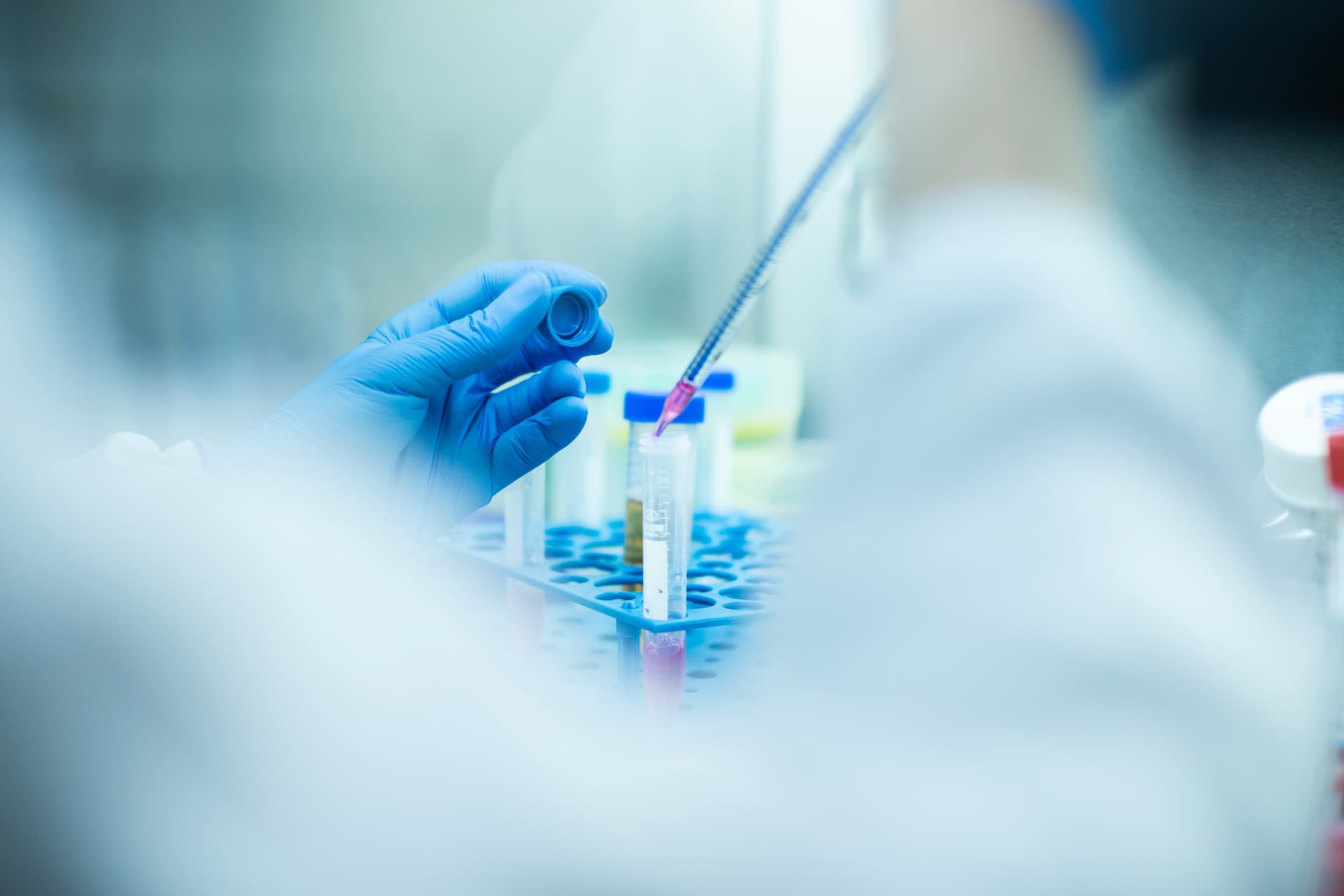
What is a cytotoxicity test?
A cytotoxicity test is part of the sterilization testing process. It is an in vitro laboratory test used to evaluate potential toxicity of medical devices, materials, or their extracts on cultured cells. It can assess whether a device or material will cause cell damage or death if used in a medical setting.
Cytotoxicity tests provide safety assurance, regulatory compliance, risk management, and quality control.
Who needs a cytotoxicity test?
Medical device manufacturers, regulatory bodies, research and development teams, and quality assurance teams all utilize cytotoxicity tests to meet regulations and current standards.
Types of devices that require toxicity testing
Surface devices
Devices that come into contact with intact skin or mucous membranes such as catheters and surgical instruments.
Externally communicating devices
These include devices that communicate with the external environment but also have a path to internal tissues or organs such as implantable sensors or blood oxygenators.
Implantable devices
Implantable devices are placed inside the body and remain there for an extended period of time. These can include orthopedic implants or cardiovascular implants.
Short-term contact devices
Short-term contact devices remain in contact with the body for less than 24 hours and can include syringes, wound dressings, or diagnostic probes.
Long-term contact devices
Long-term contact devices remain in contact with the body for more than 30 days and can include permanent implants or drug delivery systems.
Indirect contact devices
These devices or components do not come in direct contact with the patient but can release substances that might reach the patient. Examples include blood storage bags or dialysis machine components.
How does a cytotoxicity test work?
The cytotoxicity testing process typically follows several steps.
Preparation of test samples
This can be performed via the direct contact method, extract method, or indirect contact method.
Cell culture
After cell line selection, the cells are cultured under controlled conditions to form a monolayer in well plates.
Exposure
The cells are exposed to the test sample for a set amount of time, ranging from 24 to 72 hours depending on the testing protocol.
Evaluation of cytotoxicity
The cytotoxicity of the test sample is evaluated using one of several methods: Morphological assessment, cell viability assays, membrane integrity assays, or apoptosis assays.
Data analysis
Qualitative (observations of cell morphology) and quantitative (statistical analysis of cell viability data to determine level of cytotoxicity) assessments are collected.
Reporting
Results are documented, including the method used, the concentration of test samples, exposure time, and any observed cytotoxic effects.
What standards apply?
The FDA and ISO 10993 standards require cytotoxicity testing for any medical device that comes in direct or indirect contact with human tissues or blood, has components or materials that might leach into the body and cause harm, and/or is intended for long-term implantation.
Validation Testing Services
FDA-Registered
Manufacturing Facility
ISO 13485
Certified Quality System
12 Cleanrooms
Class 5–8
125,000+ Sq Ft
Regulated Manufacturing
3 Facilities
CA | NH | Costa Rica
Ready to get started?
Talk to a specialist about cytotoxicity testing for medical devices.