
EtO Residual Testing (EO Residual Analysis for Medical Devices)
Understand the importance of EO residual testing (EtO residual) for medical devices to ensure safety and regulatory compliance effectively.
What is an EtO/EO residual test?
An EO residual test measures the amount of ethylene oxide (EO) and ethylene chlorohydrin (ECH) that may be remaining on a medical device after it has been sterilized. EO is a common sterilization agent used to sterilize medical devices, especially those that cannot withstand high-temperature steam sterilization or radiation.
This type of testing is necessary to provide:
Patient safety
EO and ECH are toxic and can pose serious health risks if significant residuesremain on a medical device.
Product efficacy
EO/ECH testing ensures only minimal traces remain, which helps to maintain the functional integrity of certaindevices.
Regulatory compliance
The device approval process may need EO residual test results to satisfy FDA requirements. Compliance may be shown through verification (testing every sterilization batch) or validation (using dissipation curves and/or defined minimum aeration times).
Who needs an EtO/EO residual test?
Medical device manufacturers with patient-contacting devices sterilized using EO must perform residual testing to meet safety and compliance regulations. Independent laboratories often conduct EO residual tests as part of their quality assurance protocols and some regulatory bodies require submission of EO residual test results as part of the device approval process.
How does an EtO/EO residual test work?
EO residual testing has five steps and multiple techniques to measure the amount of remaining ethylene oxide on or within a device after sterilization.
Steps include:
Sample preparation
Devices are selected from a sterilized batch. The number of samples and their selection should comply with regulatory and statistical requirements for ideal representation. The devices are then prepared for extraction, which may involve cutting or segmenting larger devices to fit extraction equipment or to target specific areas.
Extraction
Prepared samples are subjected to an extraction process. Samples are placed in a solvent that can dissolve or release the EO from the device’s materials.
Analysis
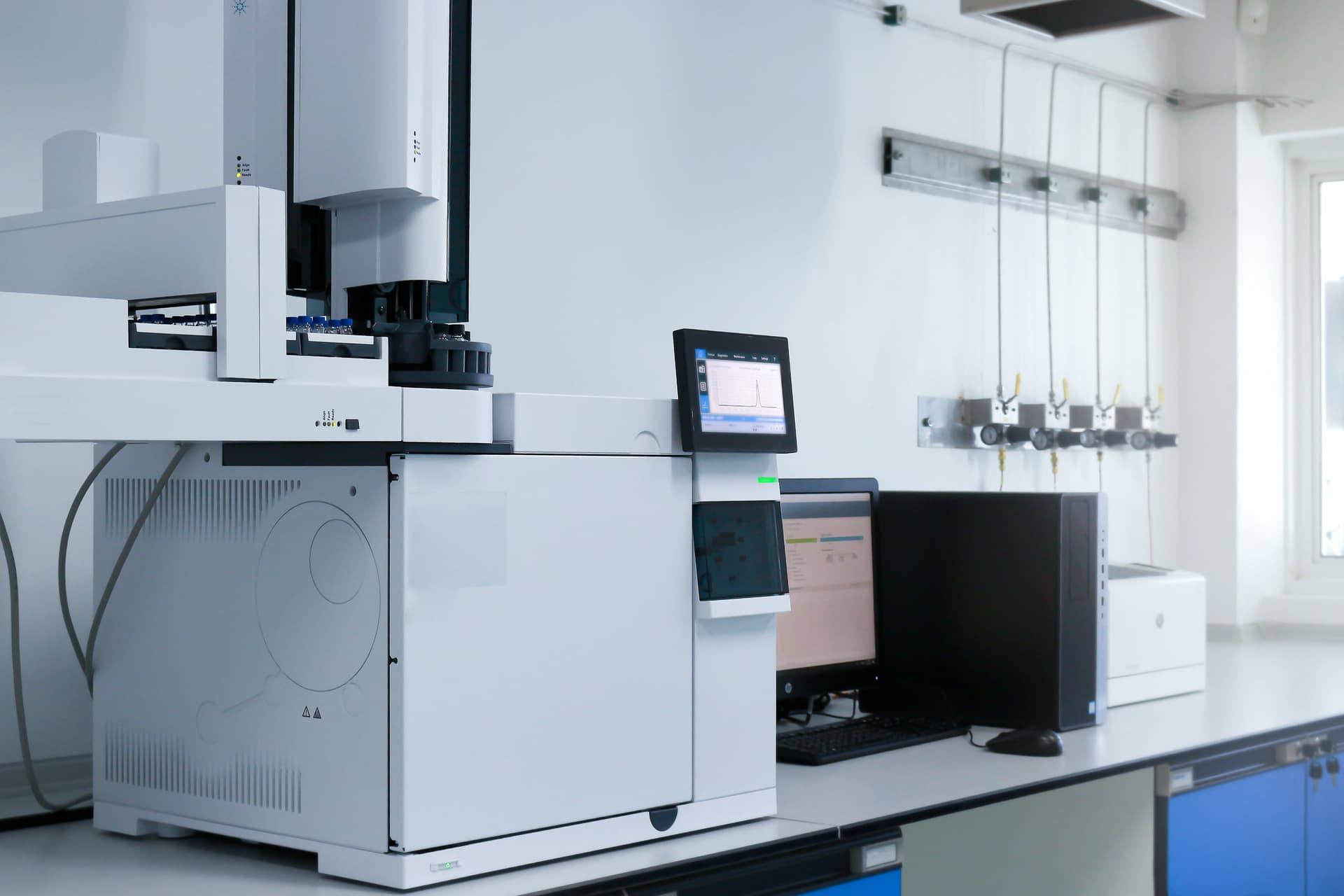
The solvent containing the extracted EO/ECH is analyzed using gas chromatography.
Quantification
The EO concentration in the solvent is determined by comparing the detector response to a calibration curve. The results are expressed in terms of residual EO/ECH levels on the device.
Reporting and compliance
Results are compared to regulatory body acceptable limits to verify compliance. Detailed reports are created documenting the extraction conditions, analytical methods, and test results.
What standards apply?
EO residual testing is necessary to meet regulatory requirements in the United States. The FDA has established guidelines and standards for acceptable EO residuals levels on medical devices. Failure to meet these regulations can result in product recalls, legal issues, and potential harm to patients.
ISO 10993-7 specifies limits on EO and ECH for differing types of medical devices.
Validation Testing Services
FDA-Registered
Manufacturing Facility
ISO 13485
Certified Quality System
12 Cleanrooms
Class 5–8
125,000+ Sq Ft
Regulated Manufacturing
3 Facilities
CA | NH | Costa Rica
Ready to get started?
Talk to a specialist about eto residual testing (eo residual analysis for medical devices).